January 27, 2026
When you begin the journey of creating functional and beautiful storage for your home, designing cabinets can be one of the most rewarding aspects of a renovation. Custom cabinets allow you to tailor every detail to your preferences and needs. From choosing materials to deciding where every drawer and shelf goes, there is a real opportunity to reflect your personal style. However, this freedom can also create challenges for homeowners who do not know what pitfalls to avoid in the design process.
Even though it may seem straightforward, there are common mistakes that can lead to frustration, increased costs, or cabinets that do not serve you well in daily life. We'll explore four frequent errors people make when designing custom cabinetry, offer clear explanations of why these mistakes matter, and provide tips on how to avoid them.
1. Ignoring Functionality in Favor of Looks
One of the most frequent mistakes people make when designing custom cabinets is focusing too much on aesthetics and not enough on functionality. It is easy to get excited about the appearance of your cabinets and choose details that look great in photos. However, if the layout and features do not suit how you use your kitchen or storage space, you may regret those decisions later.
For example, picking a style of door or handle that interferes with how you open the cabinets each day can create annoyance rather than convenience. You might love the contemporary look of certain hardware, but if it makes accessing the contents difficult, the visual benefit may not outweigh the cost in usability.
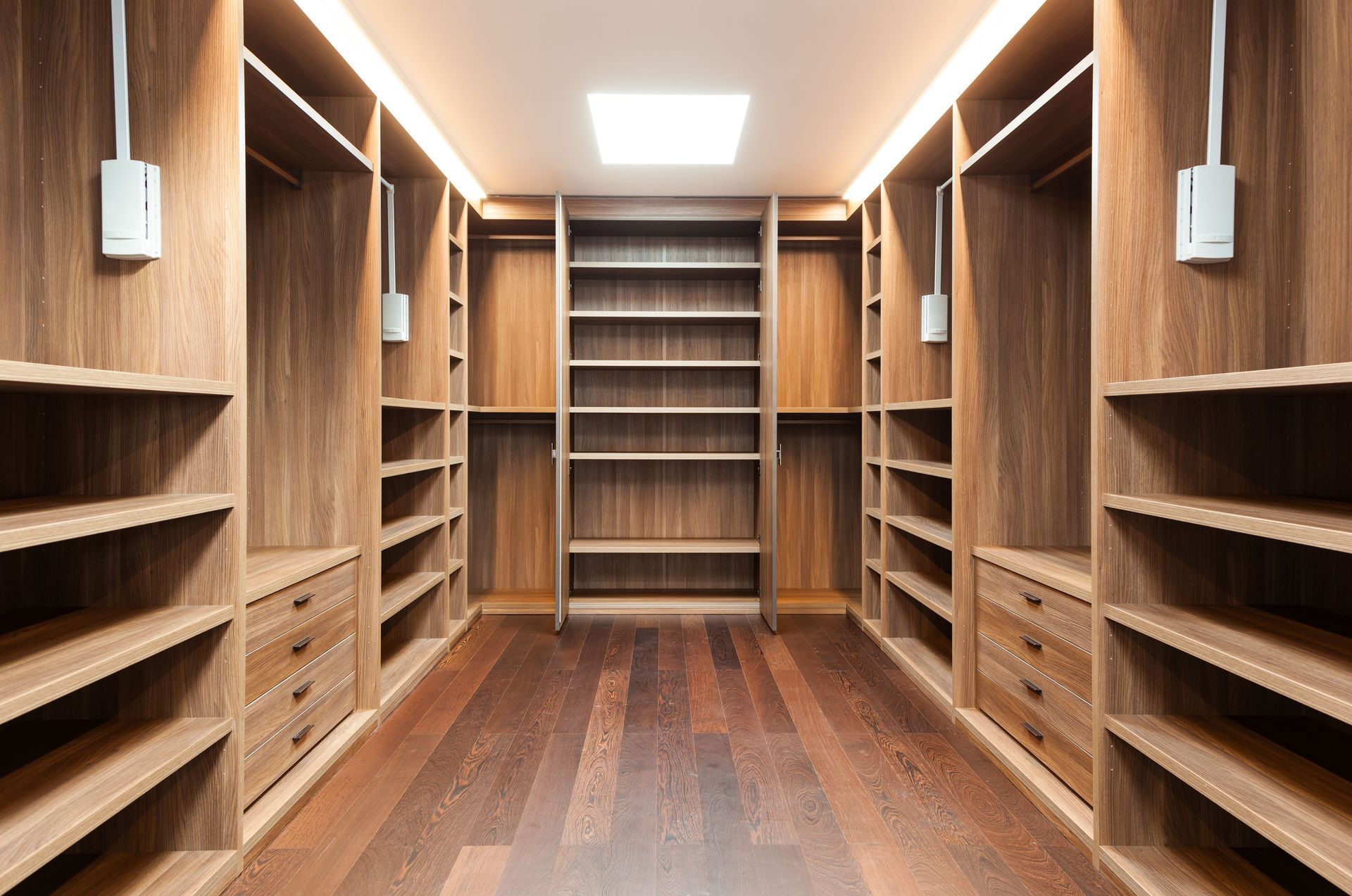
Another aspect of functionality that is often overlooked is the internal organization of the cabinets. Adjustable shelving, pull-out trays, spice racks, or vertical dividers are features that may not be obvious to include, but can drastically increase your satisfaction with the finished product. Without thoughtful planning of the inside of your cabinets, you could end up with wasted space or bulky items that do not fit well.
To avoid this mistake, take time to observe how you use your current cabinets and consider what improvements would make life easier. Talk with your designer about your habits and storage needs so the final result balances both function and form.
2. Misjudging Storage Needs and Space
Custom cabinets should fit your items and space perfectly. Yet many people misjudge how much storage they truly need or how certain configurations will work within their space. If you underestimate your storage needs, you may end up with cabinets that leave you constantly searching for places to put pots, pans, or pantry items.
A key part of avoiding this mistake is to inventory the things you plan to store before you begin the design process. Think not just about what you have now but what you might acquire in the future. If you cook often or entertain guests, you might need more storage than someone who only uses the kitchen for simple meals.
According to the 2025 U.S. Houzz Kitchen Trends Study, 85% of people who remodel their kitchens include cabinet upgrades in their project. This means most homeowners see cabinets as a central feature of their kitchen renovation. When so many people invest in this part of their home, it becomes even more important to be realistic about your needs so you get the most out of your investment.
Measure the space carefully and plan for clearances around appliances, doors, and walkways. Keep in mind that some items, like baking sheets or cutting boards, are best stored in vertical slots, while large pots and pans may require deep drawers.
3. Selecting Materials Without Considering Durability
Another common mistake is choosing materials for custom cabinets based only on appearance or current trends rather than their long-term durability. While a certain wood species or finish may look beautiful in a showroom or magazine, not all materials hold up equally well under daily use, especially in high-traffic areas like the kitchen.
For example, softer woods may dent or scratch more easily, while some finishes might show wear quickly if exposed to moisture or heat. The inside of cabinets and drawers also experiences wear from sliding trays, heavy pots, and frequent opening and closing. Cabinets that are not made with materials that can withstand these conditions may start showing signs of wear much sooner than expected.
Consider how your lifestyle will affect your cabinets and discuss material options with your designer. They can help you compare various choices, such as hardwoods versus engineered woods, or painted finishes versus stains. You want your custom cabinets to look good and to maintain their function and beauty for many years.
Durability also extends to the quality of hardware, such as drawer slides and hinges. Investing in robust hardware means your cabinets will operate smoothly for a longer period. Paying attention to this detail helps ensure your custom cabinetry isn't only attractive but also built to last.
4. Neglecting Proper Lighting and Hardware Placement
A design element that is often underestimated in cabinet planning is how lighting and hardware placement will affect usability and appearance. Cabinets are not just static storage units. They interact with light in the room and with the people using them. Poor lighting can make it difficult to find items inside the cabinets, and hardware that is placed too low, too high, or awkwardly positioned can be uncomfortable or impractical.
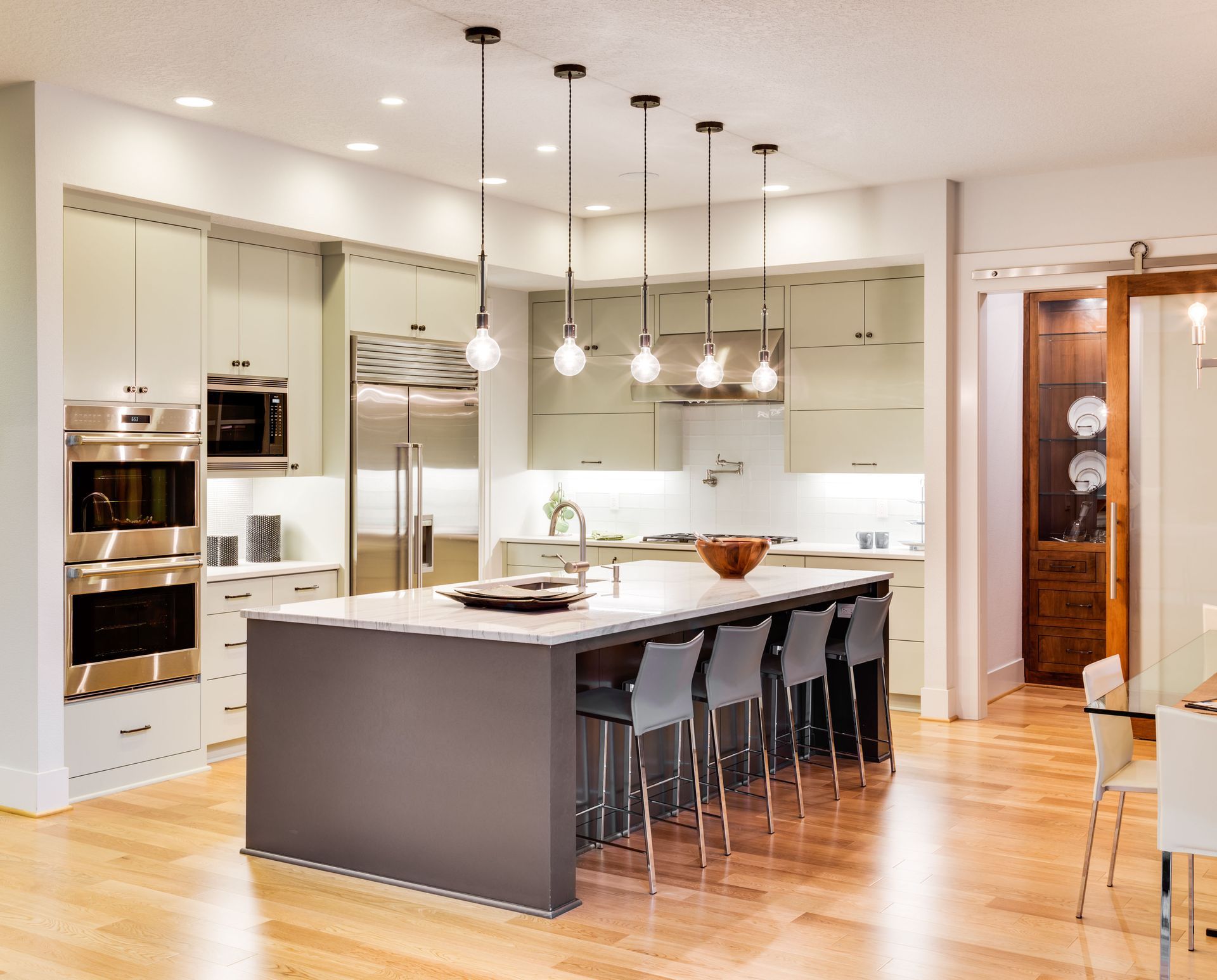
Under-cabinet lighting is one example of a feature that can improve both the look and functionality of your space. It brightens work surfaces and helps you see inside open cabinets. Some homeowners also choose interior cabinet lighting, which turns on automatically when the door is opened and makes finding what you need easier.
Hardware placement matters because handles and pulls should feel natural to grab and use. If they are too close to the edge of the door or drawer front, they might dig into your hand. If they are too high or too low, they can make daily tasks more cumbersome. Take time to think about how you reach for items and how the hardware will feel at different heights and positions.
During the planning phase, test out different lighting options and hardware placements with samples if possible. This approach allows you to see and feel what works best for you before the cabinets are built. By planning ahead for these details, you can avoid design problems that might not be obvious until after installation.
Designing custom cabinets is a major part of many home renovations and can dramatically enhance both the look and functionality of your space. By avoiding the common mistakes we discussed here, you set yourself up for a better experience and a more satisfying outcome. Focus on balancing beauty with practicality, understand your storage needs, choose materials wisely, and consider lighting and hardware placement early in the process.
Taking the time to plan thoroughly before construction begins will save you stress and potential costs in the long run. When you approach your cabinet design with forethought and clarity, you can create a space that not only looks great but also supports your everyday life. Thoughtful design leads to lasting satisfaction with the space you use most.
Ready to elevate your kitchen? At Bear River Cabinetry, we’re passionate about bringing your vision to life with our quality custom cabinets .