October 19, 2026
Choosing custom cabinets is an opportunity to improve storage, enhance your home's appearance, and create a space that fits your lifestyle. Before moving forward, consider your storage needs, budget, preferred materials, and long-term goals. Asking the right questions helps ensure your investment delivers lasting value and functionality.
Assess Your Storage Needs
Understanding your storage requirements is an important first step when planning custom cabinetry. Consider which items you need to store and how frequently you access them. Cookware, pantry supplies, cleaning products, and small appliances may require different cabinet configurations to keep everything organized and accessible.
Think about how your needs might change over time. A growing family, new appliances, or changes in how you use your kitchen could affect the amount and type of storage you require. Professional custom cabinet services can help you evaluate your available space and develop a layout that accommodates both current and future needs.
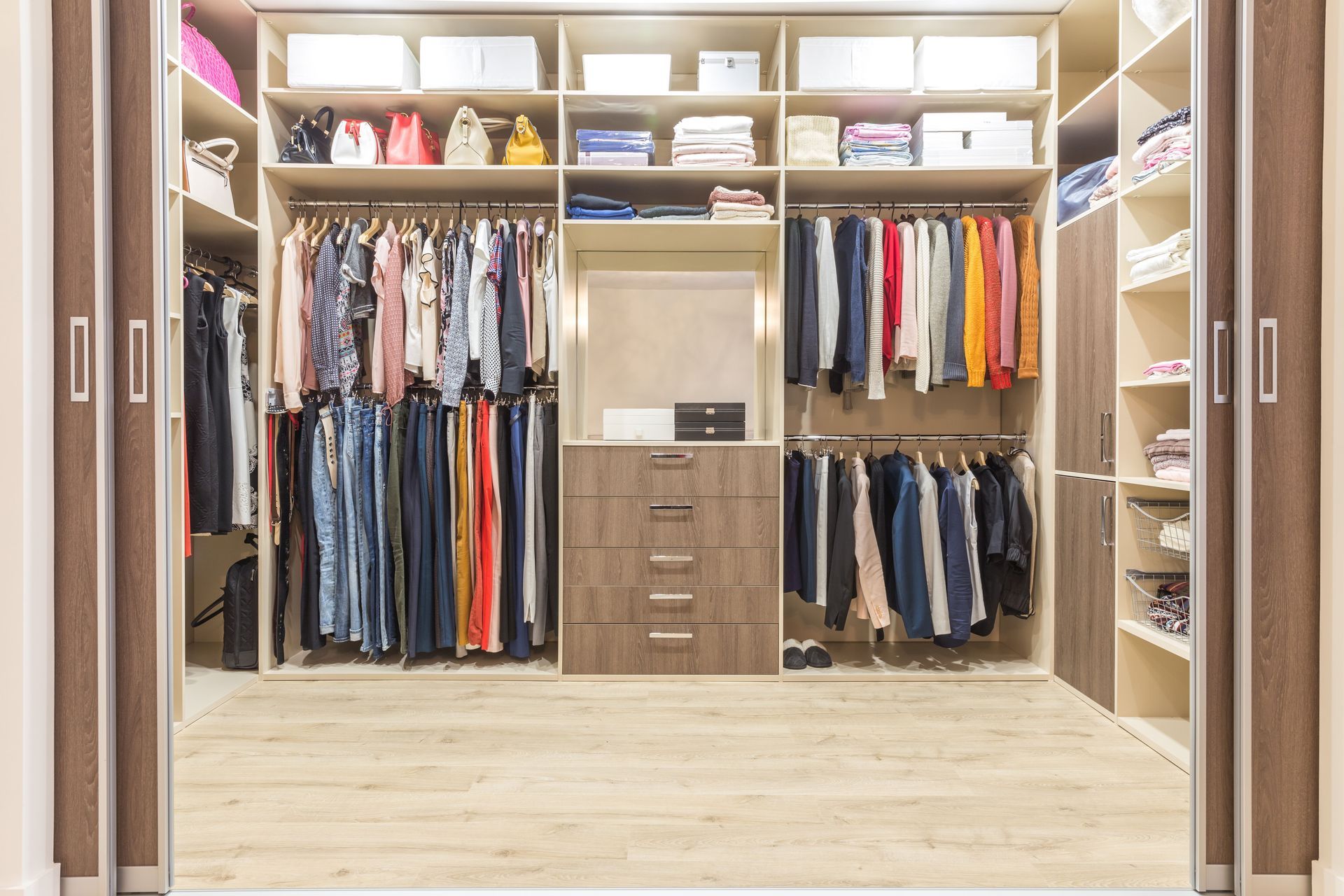
Specialized storage features can also improve convenience. Pull-out drawers, adjustable shelving, built-in organizers, and dedicated spaces for bulky appliances can make cabinets more functional. Discussing these options with your cabinetry provider helps ensure the final design reflects your daily routines and makes the most of the available space.
Establish a Realistic Budget
Setting a budget early helps guide decisions about materials, finishes, hardware, and specialized features. Determine how much you can comfortably invest in the project and identify which elements matter most. This makes it easier to prioritize quality and functionality without overlooking important expenses.
When comparing custom cabinet services, consider the relationship between upfront costs and long-term value. Higher-quality materials and durable hardware may cost more initially, but they can provide better performance over time. Ask for a detailed estimate that explains material costs, design work, installation labor, and any additional charges.
It is also important to account for potential unexpected expenses. Changes to existing layouts, plumbing adjustments, electrical work, and other modifications may affect the final price. A clear budget and detailed project agreement help reduce surprises and keep the installation process organized.
Consider asking whether your estimate includes delivery, hardware, finishing, and installation. Comparing proposals with similar inclusions makes it easier to understand the actual cost of each option. This additional planning can help you avoid unexpected charges while ensuring the finished cabinets meet your expectations.
Select Suitable Materials
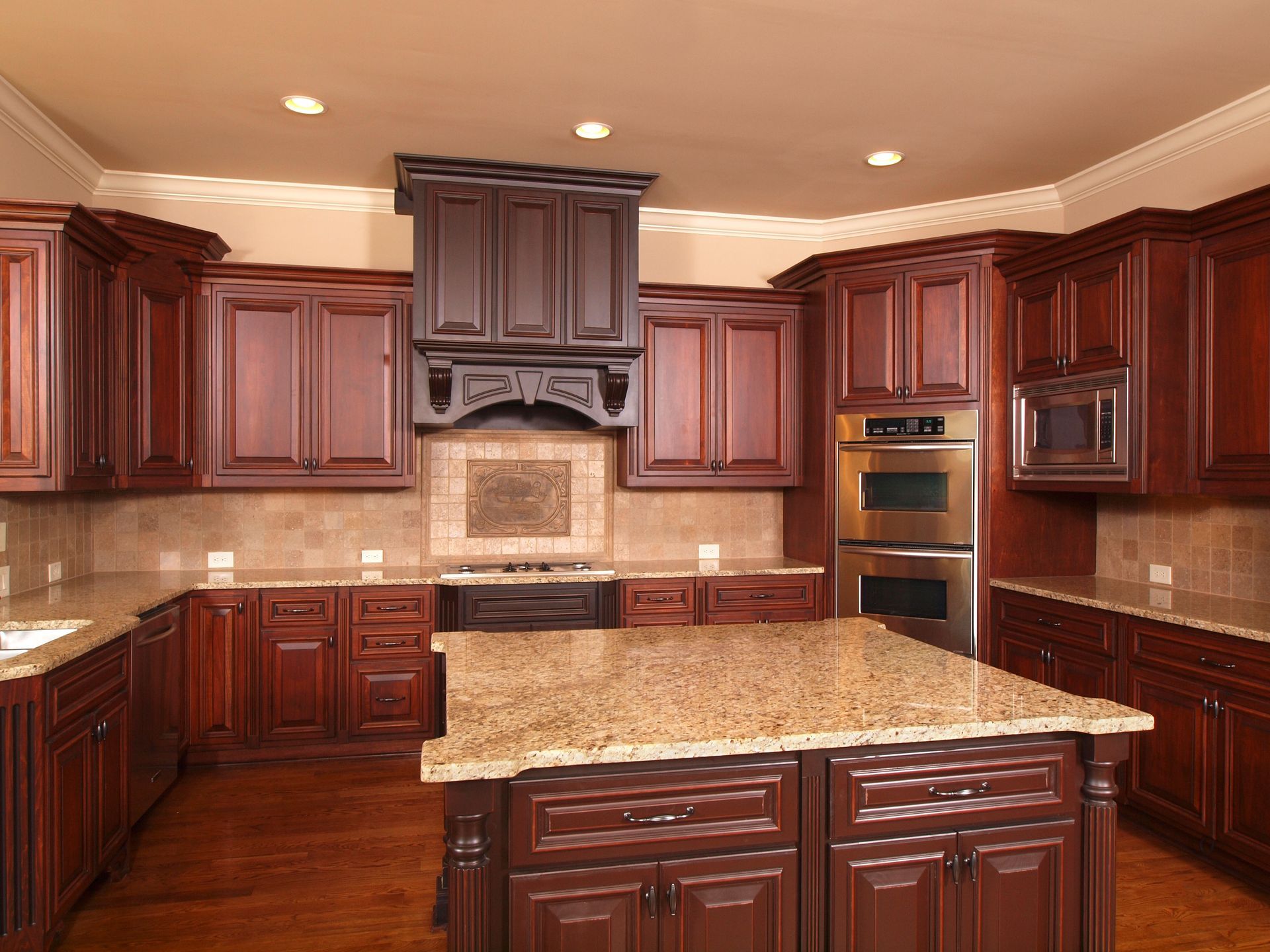
Cabinet materials influence durability, appearance, maintenance requirements, and overall cost. Solid wood offers natural character and can complement traditional or contemporary interiors, while engineered wood and laminate provide other options for different budgets and design preferences. Your selection should reflect the room's conditions, expected use, and desired appearance.
Durability deserves particular attention in frequently used spaces. Kitchen cabinets may encounter moisture, heat, spills, and repeated opening and closing, making material quality and construction important considerations. Ask your cabinetry provider about the strengths, limitations, and maintenance requirements of each available option.
Style preferences can also guide your material choices. According to Forbes, the second most popular cabinet style is traditional, chosen by 12%, followed by modern style at 11% and contemporary style at 10%. Discussing these preferences with a professional offering custom cabinet services can help you select materials and finishes that suit your home's overall design.
The finish you select can also influence maintenance and longevity. Some finishes make fingerprints and smudges more noticeable, while others may better conceal everyday marks. Discussing these differences with your cabinetry provider helps you choose an option that balances appearance with the practical demands of your household.
Choose a Design That Fits Your Home
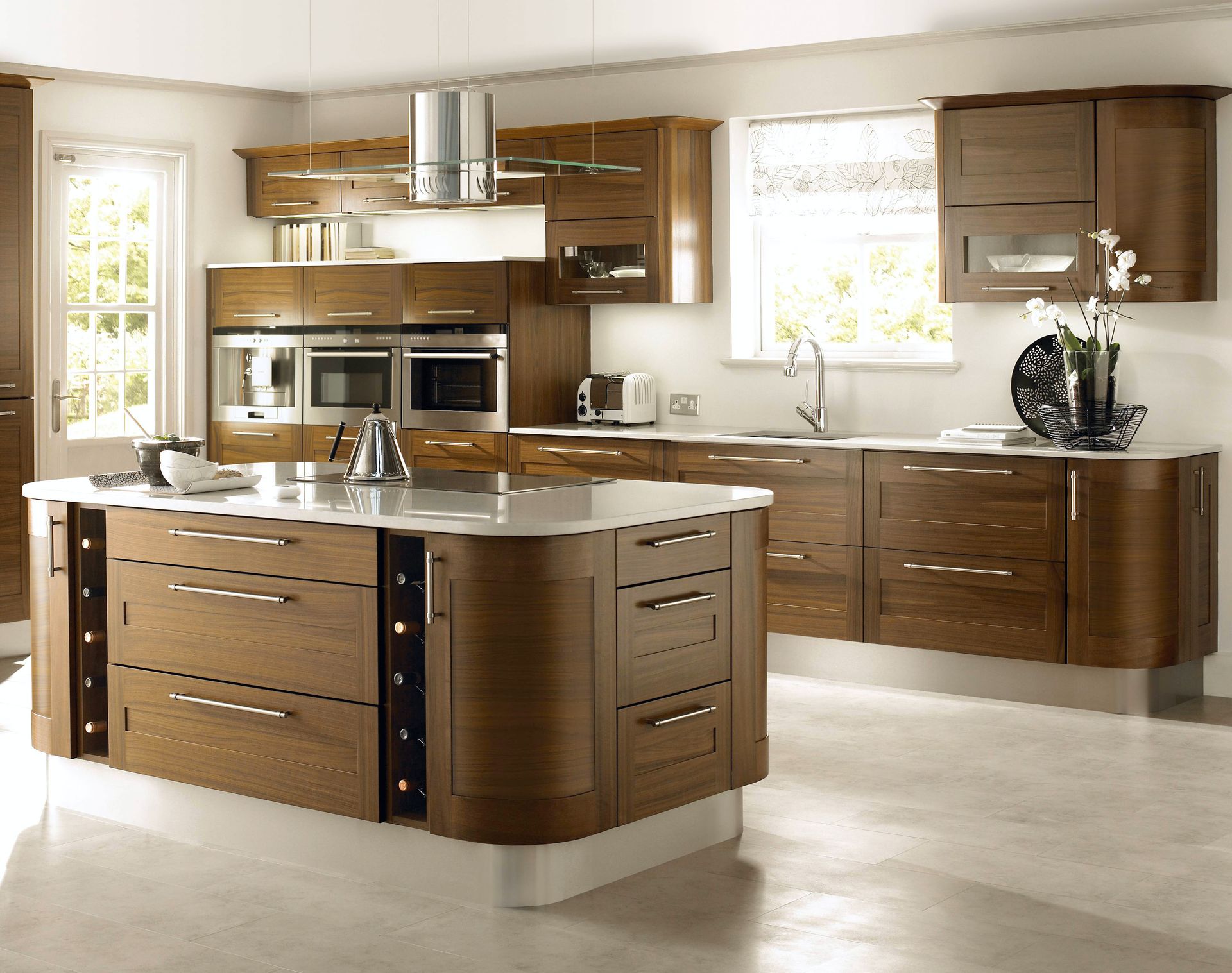
Cabinet design should complement your existing interior while supporting your practical needs. Consider whether traditional details, clean modern lines, or a transitional appearance would work best with your flooring, countertops, lighting, and other fixtures. A cohesive design can make the entire room feel more balanced and intentional.
Color and finish are equally important. Light-colored cabinets may help a smaller room feel more open, while darker finishes can introduce contrast and visual depth. Natural wood tones offer warmth, and painted finishes provide flexibility when coordinating cabinetry with other design elements.
Hardware, door profiles, and decorative details further influence the final appearance. Discuss handle styles, hinges, trim, and cabinet door configurations before finalizing the design. Professional custom cabinet services can help coordinate these elements so the finished cabinetry looks consistent and functions effectively.
You should also consider how cabinet dimensions affect the room's overall layout. Cabinet heights, widths, and depths need to accommodate appliances, walkways, and existing architectural features. Careful planning helps maintain comfortable movement throughout the space while ensuring storage remains accessible.
Understand the Installation Process
Before approving a project, clarify how installation will be handled and who will be responsible for each stage. Professional installation helps ensure cabinets are level, securely attached, and properly aligned. Experienced installers can also identify potential obstacles that could affect the fit or functionality of the finished cabinetry.
Ask about the expected timeline and how the work may affect your household. Kitchen and bathroom projects can temporarily limit access to essential spaces, so understanding the schedule helps you plan accordingly. Confirm when measurements, fabrication, delivery, and installation are expected to occur.
You should also discuss warranties and post-installation support. Find out what coverage applies to the cabinetry, hardware, and installation work, and ask how adjustments or other concerns will be handled. Reliable custom cabinet services should provide clear information about project expectations and the support available after installation.
Before installation begins, confirm that all measurements and design specifications have been approved. Reviewing these details helps reduce the likelihood of fit issues, unexpected delays, or changes during the final stages. Clear communication between the homeowner and installation team supports a more organized project from start to finish.
Evaluate Long-Term Value
Custom cabinets can improve everyday convenience while contributing to the overall appeal of your home. Thoughtful storage solutions, coordinated finishes, and quality construction can make a room more attractive to potential buyers. However, the long-term value depends on the materials, workmanship, design choices, and condition of the cabinetry.
Consider how well the selected cabinets will hold up under regular use. Durable finishes, dependable hinges, and sturdy drawer mechanisms can help reduce wear and the need for repairs. Ask about appropriate cleaning methods and routine maintenance to preserve the cabinetry's appearance.
Future flexibility is another useful consideration. Storage requirements and household preferences may change, so adjustable shelves and versatile cabinet configurations can provide lasting convenience. Choosing a practical design rather than focusing exclusively on short-lived trends can help ensure your investment remains useful and visually appealing.
It is also worth considering how cabinetry coordinates with other planned renovations. If you expect to replace countertops, flooring, or appliances in the future, selecting complementary finishes and adaptable designs can help maintain a consistent appearance. Planning these details early can reduce the need for expensive design changes later.
The right cabinetry provider can make the planning and installation process more straightforward. Before making a decision, review examples of previous projects, discuss your expectations, and confirm that the provider understands your preferred style and functional requirements. Clear communication helps establish realistic expectations for design, pricing, materials, and completion.
Ask how measurements are taken, how design changes are approved, and what happens if materials or installation schedules change. These details help you understand the provider's process before work begins. Comparing estimates and service terms can also help you determine which option offers the best overall value.
For homeowners planning a cabinetry upgrade, Bear River Cabinetry can be contacted to discuss project goals and explore suitable options. Reach out to Bear River Cabinetry to learn more about available custom cabinet services and discover how professionally designed cabinetry can enhance your home's storage, appearance, and functionality.