September 23, 2026
Cabinetry is more than a finishing detail in a home. Kitchen cabinets, bathroom vanities, built-ins, laundry storage, and other cabinetry systems become part of everyday routines, so their construction and materials can have a lasting effect on how a space looks and functions. When cabinetry is designed around a home's specific dimensions and the homeowner's needs, it can provide a level of usability that standard options often cannot match.
High-quality materials and careful craftsmanship are especially important when homeowners want their investment to remain useful and attractive over time. Well-built cabinetry can withstand frequent opening, closing, cleaning, and general household activity while continuing to complement the home's interior. Custom cabinetry combines durable construction with personalized design, creating storage solutions that are made to serve a specific purpose rather than simply fill an available space.
Built for Lasting Durability
Premium Materials Support Long-Term Performance
The materials used to construct cabinetry have a direct effect on its strength, appearance, and ability to withstand everyday use. High-quality wood, durable plywood, strong joinery, dependable hardware, and protective finishes can help cabinets maintain their structural integrity through years of regular activity. Selecting appropriate materials is particularly important for areas such as kitchens and bathrooms, where cabinetry may encounter moisture, spills, temperature changes, and frequent handling.
Custom cabinetry allows homeowners to consider material quality as part of the design process rather than being limited to the materials selected for mass-produced products. A skilled cabinetmaker can recommend materials and finishes based on where the cabinets will be installed and how they will be used. This approach helps create storage that is both visually appealing and appropriately constructed for its environment.
Construction Makes a Difference
Durability depends on more than the visible surface of a cabinet. The way components are assembled, drawers are constructed, doors are attached, and hardware is installed can influence how well the finished product performs. Precise measurements and careful construction help ensure that cabinet components align properly and operate smoothly, reducing unnecessary stress on individual parts.
Experienced craftsmen can also account for the unique characteristics of a home's layout during construction and installation. Walls may not be perfectly straight, floors can vary in level, and available space may have unusual dimensions. Cabinets built specifically for those conditions can provide a more precise fit than standard units, helping create a finished installation that feels integrated with the home.
Designed for Everyday Use
Custom cabinetry is subjected to repeated use that can quickly expose weaknesses in inferior construction. Kitchen drawers may be opened dozens of times throughout a day, bathroom vanities are exposed to moisture and cleaning products, and mudroom storage may hold shoes, coats, bags, and other frequently handled belongings. A cabinet system needs to accommodate these routines without sacrificing appearance or functionality.
Thoughtful design can also reduce unnecessary wear. Properly sized drawers, accessible shelving, pull-outs, storage compartments, and appropriately selected hardware make it easier to use cabinets as intended. When storage is organized around the way a household actually operates, homeowners are less likely to force items into unsuitable spaces or repeatedly strain cabinet components.
Designed Around the Homeowner
Custom Dimensions Improve Functionality
One of the defining benefits of custom cabinetry is the ability to design around the exact dimensions of a room. Standard cabinets are manufactured according to predetermined sizes, which can leave gaps, create awkward transitions, or fail to use available wall and floor space efficiently. Custom designs can accommodate unusual corners, ceiling heights, narrow areas, and other architectural characteristics.
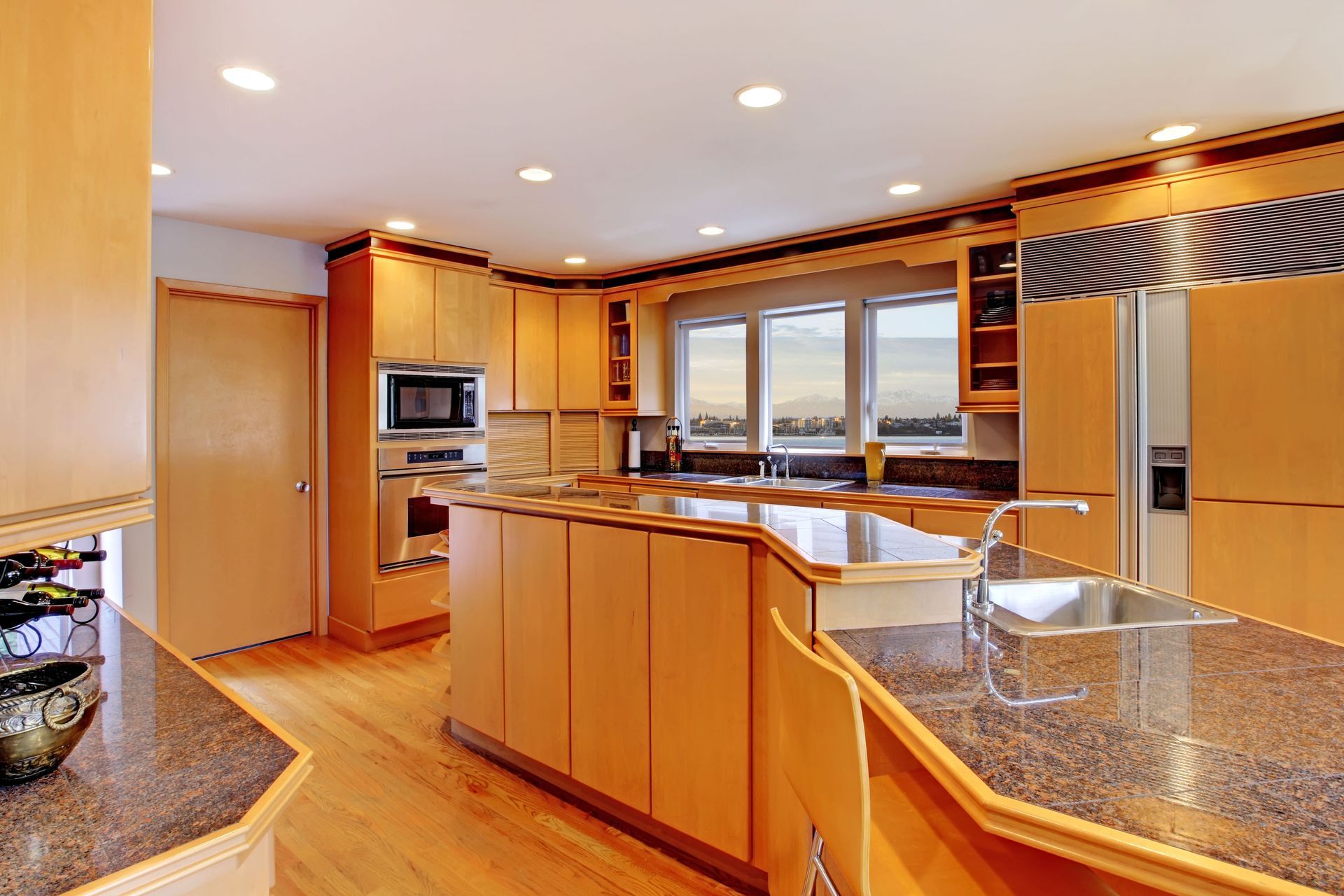
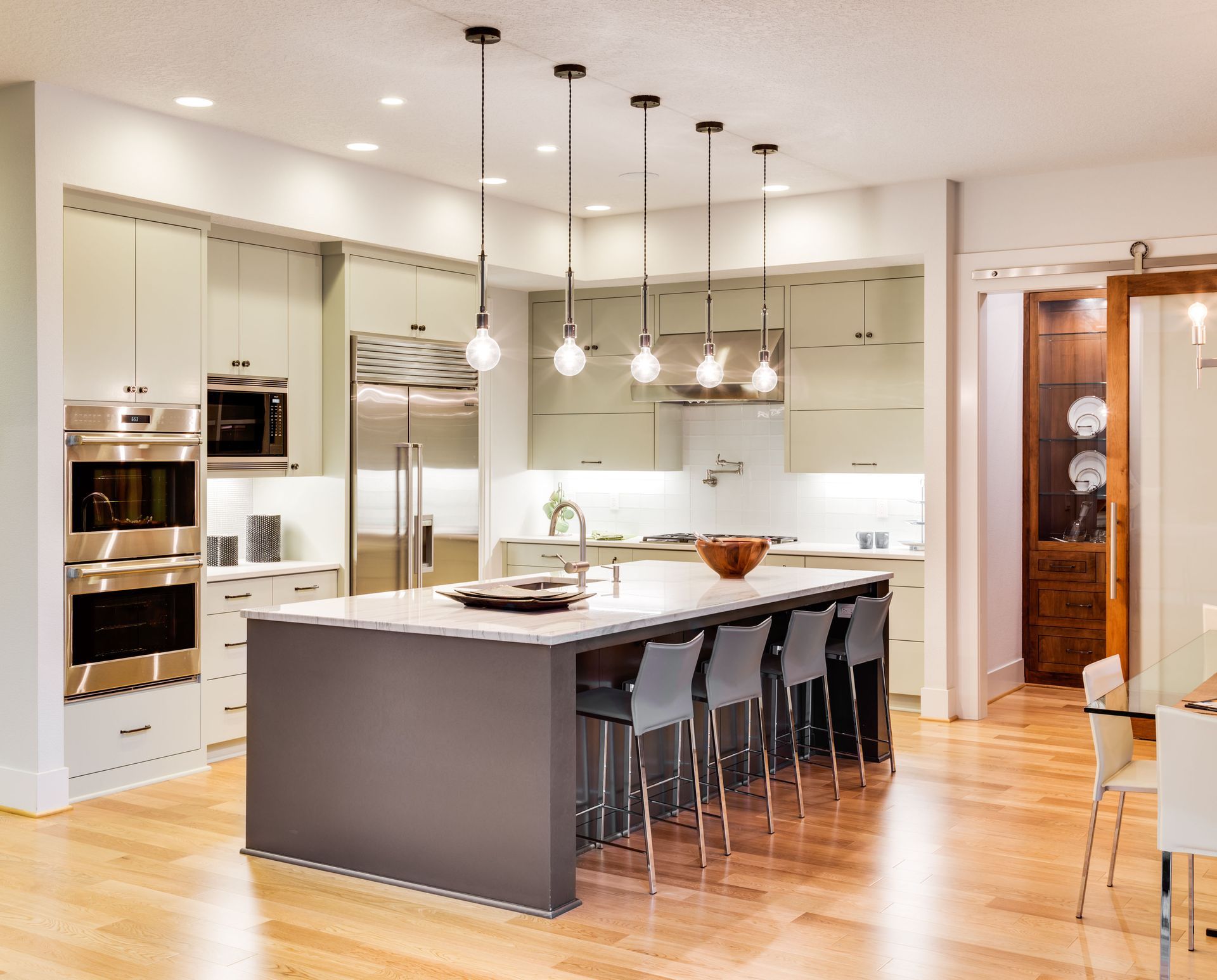
This customization is particularly valuable in kitchens, where cabinet placement affects food preparation, cooking, cleaning, and storage. A custom layout can position drawers and cabinets according to the homeowner's routines while incorporating features such as kitchen islands and pantry storage. The result is a space where storage is not simply present but intentionally arranged to support everyday activities.
Personalization Extends Beyond Appearance
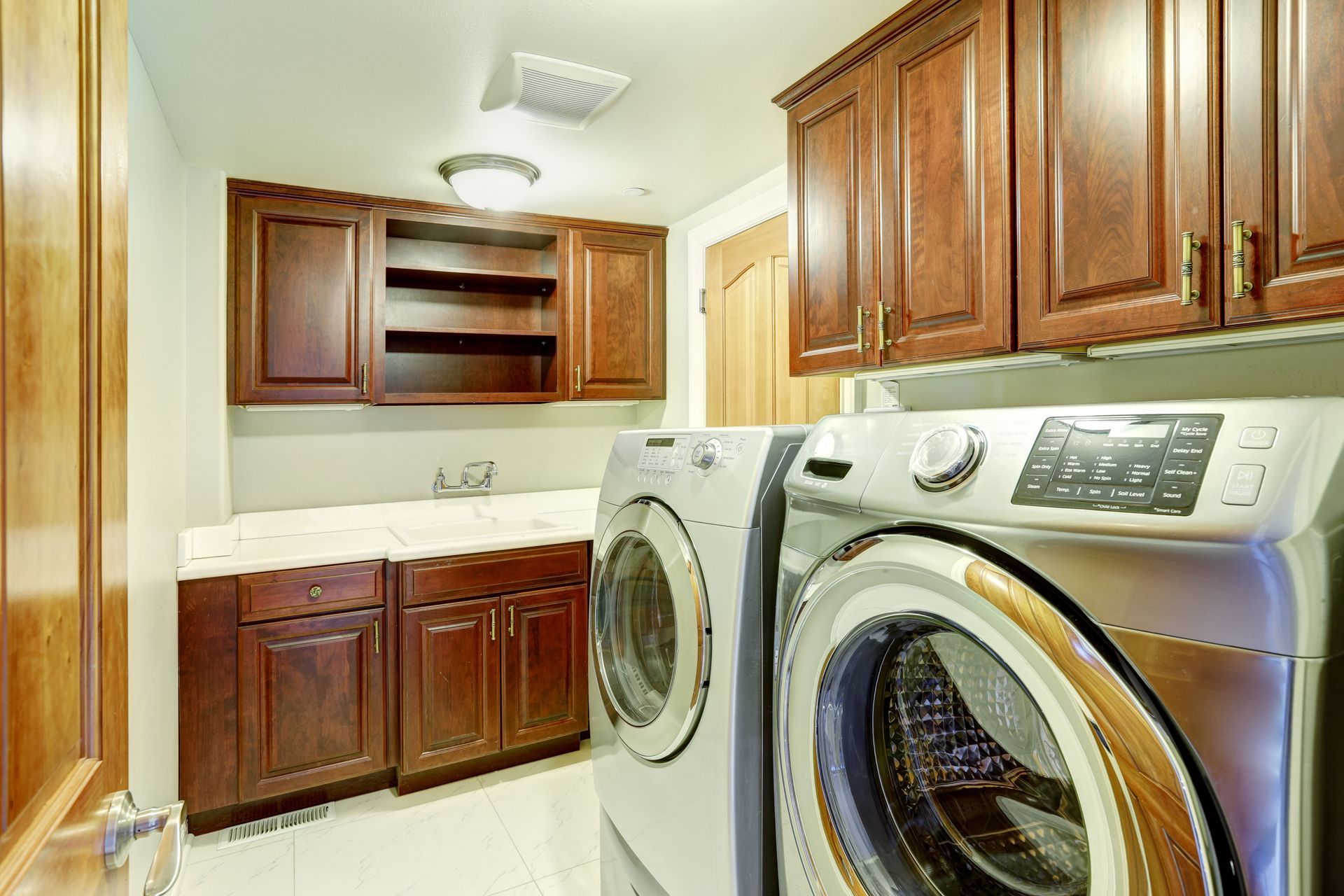
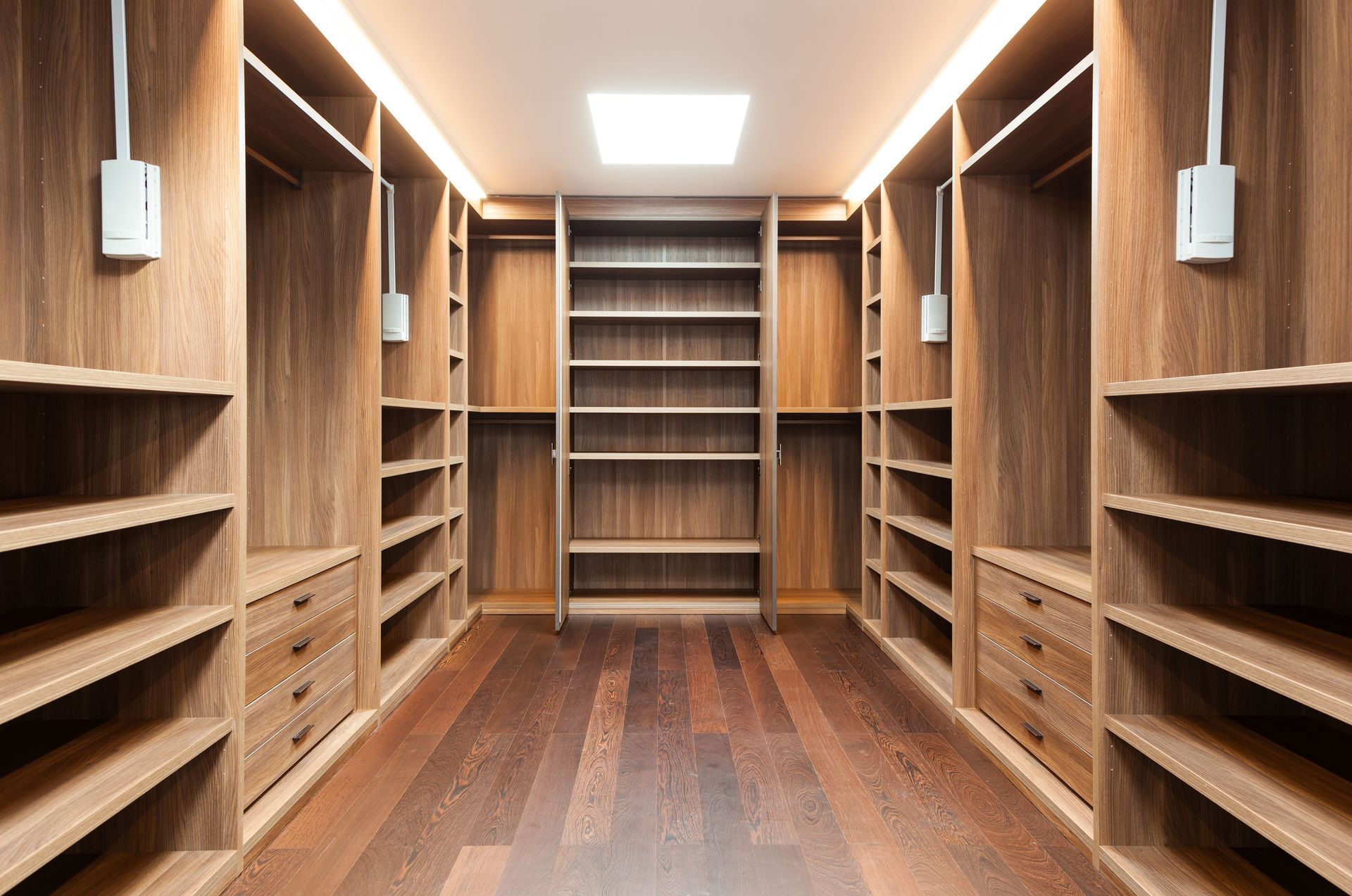
Customization is often associated with selecting cabinet colors, wood species, finishes, and hardware, but personalization can also address the practical details of storage. Homeowners can determine how much drawer space they need, where larger items should be stored, and which belongings need specialized organization. Built-in closets, laundry cabinets, mudroom storage, entertainment centers, and bathroom vanities can all be configured around specific household requirements.
A personalized approach can help custom cabinetry remain useful as routines change. For example, a laundry room may benefit from folding space and hamper storage, while a mudroom may require individual compartments for household members. In a bathroom, drawers, linen storage, and wall-mounted cabinets can be arranged to accommodate personal care items and towels. Designing for actual use helps cabinetry provide lasting value rather than becoming outdated simply because it was never suited to the household.
Timeless Design Can Remain Relevant
Durability is important, but longevity also depends on whether cabinetry continues to complement the home. Extremely trend-focused design choices can become less appealing as interior preferences change. By contrast, balanced proportions, quality finishes, functional layouts, and carefully selected details can create cabinetry that remains compatible with a range of decorating styles.
Custom cabinetry provides an opportunity to create a distinctive look without sacrificing long-term versatility. Homeowners can select traditional, contemporary, or transitional design elements while considering how those choices will interact with flooring, countertops, fixtures, walls, and other architectural features. The goal is to create a cohesive interior that feels intentional rather than dependent on a short-lived trend.
Crafted for Long-Term Value
Quality Can Reduce the Need for Replacement
Replacing cabinetry can involve much more than purchasing new boxes and doors. Removal, disposal, preparation, installation, countertop adjustments, plumbing considerations, and other work can add time and expense to a renovation. Choosing well-constructed cabinetry from the beginning can help homeowners avoid premature replacement when lower-quality products begin to deteriorate.
According to HomeAdvisor, custom cabinets can remain functional for more than 25 years, which is roughly twice the expected lifespan of many prefabricated alternatives. This difference illustrates why construction quality and material selection can matter when evaluating cabinetry as a long-term home improvement rather than a temporary upgrade.
Professional Installation Completes the Process
Even well-made cabinets need proper installation to perform as intended. Accurate measurements, careful leveling, secure attachment, and precise alignment allow doors and drawers to operate correctly while ensuring that the cabinetry fits naturally within the room. Professional installation is particularly important when working with built-ins or spaces with unusual architectural characteristics.
A careful installation also protects the investment homeowners have made in premium materials and craftsmanship. Experienced installers can identify potential fit issues during the process and make appropriate adjustments rather than leaving gaps, uneven lines, or improperly functioning components. Attention to these details contributes to a finished result that looks polished while supporting reliable everyday use.
Maintenance Helps Preserve Quality
Long-lasting cabinetry still benefits from routine care. Following appropriate cleaning recommendations, addressing spills promptly, avoiding excessive moisture, and using hardware as intended can help preserve finishes and components. Bathrooms and kitchens may require particular attention because humidity, water, grease, and cleaning products can affect cabinetry when they are not managed properly.
Maintenance is also easier when cabinetry is thoughtfully constructed. Quality hardware can provide smooth operation, while durable finishes can help surfaces withstand normal household activity. If a component eventually requires adjustment or service, addressing the issue promptly can help prevent a small problem from becoming more significant. Consistent care supports the original investment and helps preserve both the appearance and functionality of the cabinetry.
High-quality cabinetry can play an important role in creating a home that is functional, organized, and visually cohesive. Strong materials, precise construction, thoughtful installation, and appropriate maintenance all contribute to lasting performance, while personalized design ensures that storage solutions address the specific needs of the household. Contact Bear River Cabinetry today to get started with high-quality custom cabinetry tailored to your home and lifestyle.